Wild animals love edges and gaps. A raised deck, the void beneath a shed, the crawlspace under a workshop, even the seam where skirting meets soil, all of it looks like prime real estate to a raccoon, skunk, groundhog, opossum, or feral cat. Those spaces are dry, shaded, and often undisturbed. If you’ve ever smelled skunk under a deck two hours before guests arrive, you learn quickly that wishful thinking is not a plan. Wildlife exclusion is the craft of sealing structures so animals can’t enter in the first place, or of letting them leave then closing the door behind them. Done well, it is quieter, cleaner, and cheaper than repeated trapping. Done badly, it turns into a cycle of damage and return visits.
I work in wildlife control, and most of the calls I take for decks and outbuildings start with noise or odor. People hear thumping at dusk, a metallic scrape against lattice, or tiny chittering in early spring. Often the animal arrived because a previous owner left lattice unsecured, or a contractor cut a utility trench without patching the gap. The fix is rarely a single staple or a bag of mothballs. True wildlife exclusion combines inspection, species behavior, and construction details. You have to think like a skunk, then build like a mason.
Why decks and outbuildings attract wildlife
Low, sheltered volumes are a magnet. Airflow is limited so heat accumulates on cold nights. Vegetation creates cover and insect forage at the edge of the structure. Food is nearby: fallen birdseed, pet food on the porch, compost behind the garage, grubs in a watered lawn. Predators are few under a deck, and weather can’t reach you. A raccoon can wedge into a five-inch gap and excavate the rest. Skunks don’t climb well, but they’ll tunnel along a foundation where a downspout eroded soil. Groundhogs prefer a view, so they’ll pick the downhill side of a shed and create a main entrance and at least one bolt hole.
Sheds and detached workshops add another lure: clutter. Stored lumber, stacked tires, and cardboard boxes invite nesting. Rodents move in first, then snakes follow the rodents, and larger mesocarnivores follow the smell of rodents and garbage. Once an animal stakes a claim, scent marks make it attractive to the next animal. That is why removal without exclusion fails so often. You must remove the invitation.
Know your neighbors: common culprits and their signatures
Species dictate strategy. You do not exclude raccoons the same way you exclude groundhogs. Trapping rules differ by jurisdiction, and biological cycles matter more than most homeowners realize.
Raccoons are the most frequent customers for deck voids in urban and suburban lots. Heavy footfalls at night, toppled trash cans, and hand-like prints near the opening give them away. In late winter, females look for secure den sites and may rear kits under a deck until early summer. That timing drives ethical decisions. Forcing a nursing female out without her kits is a recipe for frantic damage and bad outcomes. A professional wildlife trapper will check for dependent young and use one-way doors only when it is safe.
Skunks announce their presence. If you smell the sharp, peppery spray in a band with a ten to thirty foot width around your deck, odds are you or a dog got too close to the entry. Skunks are gentle by nature but stubborn diggers. Their entry holes look clean and round, roughly three to five inches tall, with a fan of loose soil outside. They often leave little divots in the lawn from grub hunting.
Groundhogs create larger excavations, six to ten inches, mounded with coarse soil and plant stems. They usually maintain two to three entrances connected by tunnels. Chewed plants near the shed, especially beans, lettuce, and young fruit trees, point to them. Their burrows can undermine paver patios and shed blocks, leading to tilting or sagging.
Opossums are opportunists that rarely dig. They inherit a raccoon or groundhog opening and shuffle in, leaving sparse, splayed prints. They pose less structural risk but can make a mess of stored items. If you find loose droppings on top of surfaces under a shed, with a musky but not skunky odor, opossums are plausible.

Feral cats, foxes, and the occasional stray dog use the same cavities. Cats leave small, neatly covered latrines and stripped bird remains. Foxes bring food back to cache and may leave a vinegar-like smell. Their presence is more seasonal, often during pup rearing months.
A quick field rule that has saved me time: if the void is tight and the soil disturbed like a shallow wave along the edge, think skunk. If the opening is taller than wide with chewed plants and a clear run to cover, think groundhog. If there are handprints on the deck joists and tipped recycling, think raccoon. Then, verify with a trail camera and a handful of flour at the suspected entrance. The tracks in the flour the next morning rarely lie.
The basic approach: inspect, decide, then build
Exclusion revolves around three decisions: who is inside, how many openings exist, and whether the timing allows eviction. Start with a full perimeter inspection in daylight. I carry a flashlight, inspection mirror, tape measure, hand trowel, and a painter’s pole with a small camera taped to the end. You will find more openings than you expect. Structures settle, landscapers nick skirting, and rodents create test holes.
Once you map every gap, decide on method. You can either completely seal everything at once when you know the space is empty, or install a one-way device at the primary opening and seal all secondary holes. A one-way door lets animals leave but blocks re-entry. The trick is proper sizing, secure mounting, and precise timing. If young are present, you either delay until they can travel or, in some jurisdictions, perform a hands-on removal of kits to a warmed reunion box placed just outside the one-way door. That move requires training and an understanding of local laws. A wildlife removal company that advertises humane methods will have clear protocols for this situation and should be able to describe them without hedging.
Materials that actually hold up
Big box stores sell rolls of thin mesh that look sturdy on the shelf. Most of it fails within a season against raccoons or groundhogs. You want hardware cloth, not window screen. Galvanized after weld, 16 gauge for high pressure sites, 19 gauge as the lightest I trust. Aperture size matters. Half-inch mesh excludes most animals while allowing ventilation. Quarter-inch is best for rodent resistance, but it demands more labor to shape and can clog with soil if you bury it. For a balance, I use half-inch mesh for skirts and quarter-inch for vents.
For digging animals, an apron is mandatory. An apron is an L-shaped extension of mesh that runs down from the structure then horizontally outward under soil or gravel. The animal digs at the base, hits the horizontal leg, and gives up. Raccoons can pry if you give them leverage, so fasteners must be dense and bite into solid framing or masonry. I use exterior-grade screws and fender washers on wood, Tapcon screws on concrete, and masonry nails only as a last resort where drilling would crack old block.
Skirting made from lattice is decorative, not structural. It needs a backbone. I like pressure-treated 2x2 or 2x4 framing anchored to joists, then the hardware cloth attached to that framework, and only then lattice as a cosmetic cover. If you skip that sequence, raccoons will push at the lattice until a staple pulls free, then roll the entire panel like a sardine tin.
Soil conditions change the design. Sandy soils require a wider apron, often 18 to 24 inches. Clay allows a shorter 12 inch apron, but heaving in winter can shift staples and create gaps. In frost zones, I aim to bury the vertical leg at least six inches, deeper if the deck is high enough to allow it. If you are limited by a low deck, widen the apron rather than deepening.
Under sheds set on skids or pavers, the easiest approach is to trench along the perimeter, slide mesh up to the underside of the shed walls, and fasten to a sill or ledger. If the shed has no convenient wood member, I will fabricate a continuous treated cleat and lag it to the wall panels, then attach mesh to that cleat. The bottom of the vertical leg ties to the apron with hog rings every four inches to prevent separation. A bead of exterior-grade sealant along the mesh to siding seam keeps wasps and ants from exploiting the small gap and gives the job a finished look.
A note on wildlife laws and ethics
“Wildlife exterminator” appears on plenty of ads, but most states regulate lethal control. Some species are protected, and many municipalities prohibit relocation. Even when legal, relocating animals often dooms them. The better standard is to remove them from your structure, then remove the opportunity that drew them there. A reliable wildlife trapper will know the seasonality of young, possess the right permits, and carry insurance. They should offer written guarantees on exclusion work, typically one to three years, because workmanship determines long-term success far more than the number of traps set.
Noise deterrents, bright lights, and ammonia rags may scare a nervous opossum. They do not move a committed raccoon mother or a groundhog in breeding season. If your timeline is tight or emotions are high, resist the urge to improvise. A cornered skunk under a deck is a memorable way to learn about spray range and wind direction.
When one-way doors shine, and when they backfire
One-way devices save time and drama when used with the right species in the right window. For skunks in mid to late summer or fall, a properly sized skunk excluder mounted flush to the opening, with a short, smooth-walled tunnel leading out, works very well. Skunks dislike climbing. Keep the exit near grade, avoid steps, and make sure there are no secondary holes unsealed. A single unsealed gap defeats the system.
Raccoons require a sturdier door with a spring-loaded flap. Mount it with reinforcement plates, because raccoons test edges and chew at corners. If young are present, you either wait until kits are mobile, typically five to seven weeks after birth, or retrieve kits and place them in an insulated reunion box just outside the door. The mother will carry them to a new den after dark. Forget that step and you may watch a frantic female shred lattice and even tear at deck boards to reach her kits.
Groundhogs sometimes beat one-way doors by enlarging a new hole. That is why a digging barrier must go in at the same time. The door becomes a controlled exit, not the only line of defense. If your soil is riddled with past burrows, pace yourself. Old tunnels can collapse under the weight of a trench. I often backfill in stages, compacting gently by hand around the apron to avoid creating voids that invite new digging.
Sealing techniques for long service life
An exclusion job that lasts looks almost boring when you kneel down and inspect it. Everything is tight, square, and flush. There are no tempting tabs to pull. The mesh is under tension, not draped like a curtain. Fasteners land every three to four inches along edges and every eight to twelve inches in the field. Where two pieces of mesh meet, they overlap at least two inches and are stitched together with stainless steel wire or hog rings.
Corners are the Achilles heel of many projects. I cut a triangular gusset of mesh and armor the corner. This spreads force if an animal tests that spot. At grade transitions or where pavers meet the skirt, I set a shallow line of crushed gravel after backfill to discourage digging and to manage splashback from rain. Soil that stays damp against wood invites rot. Good exclusion also keeps your structure healthier.
Be realistic about tools. You can do a small deck with tin snips, a drill, a handful of screws, and a few hours of labor. For larger jobs, an angle grinder with a cutoff wheel speeds clean cuts, and a pneumatic stapler with stainless staples makes fastening smoother, especially under low decks where an awkward wrist angle causes fatigue. Wear gloves. Hardware cloth bites.
Moisture, ventilation, and pests you didn’t expect
Sealing a deck or shed changes airflow. You must balance exclusion with ventilation to prevent mold and wood decay. I cut screened vents into skirting on the downwind side and at opposite ends to allow crossflow. Quarter-inch mesh keeps rodents out while passing air. Vents should sit a few inches above grade and be integrated into the apron plane.
Exclusion work also changes insect pressure. If you seal a space too tightly and trap organic debris, you may create a moist niche for ants or sowbugs. Keep the area under decks clean. Stop storing cardboard. Trim vegetation at least a foot back from the skirt to allow sun and airflow to dry the edge.
I see more snakes under sheds after homeowners eradicate rodents without sealing the perimeter. Snakes go where the food goes, then stay when the habitat is quiet. Most are harmless, but a surprised person reaching into a dark corner can hurt themselves more than the snake will. Exclusion at the quarter-inch scale is the only way to keep snakes out.
A brief case from the field
A family called about nightly thumps under a cedar deck. Two dogs had been sprayed twice that month. The deck sat twelve inches above grade on the low side, six inches on the high side, with decorative lattice stapled to flimsy stakes. The soil was sandy loam with a gentle slope. At inspection, I found three holes, the freshest on the downhill corner, each about four inches high with loose soil fanned out. Flour and a trail camera overnight captured a striped skunk entering at 1:30 a.m. No signs of kits.
The plan was simple: install a skunk excluder at the main hole, seal the secondary gaps, and bury an apron. We framed a sturdy backbone behind the lattice with treated 2x2s screwed into joists every sixteen inches. Half-inch, 16 gauge hardware cloth wrapped the perimeter. The vertical leg ran from the ledger down to grade with tight fasteners and fender washers. The apron extended eighteen inches out, given the sandy soil. We tied vertical to horizontal at four-inch intervals with hog rings and buried the apron under four inches of soil topped with pea gravel for drainage and digging discouragement. The one-way device sat flush to the main hole with temporary stakes to prevent shifting.
The skunk left the first night. We left the door for three nights to be certain, then removed it, patched the opening with mesh, and finished the cosmetic lattice. The dogs have not been sprayed since, and the homeowner later added a lidded trash container near the garage to remove the food draw. The job took about six hours including trenching and cleanup. The guarantee was two years, transferable if they sell the home.
Do-it-yourself or hire a pro?
Plenty of homeowners can handle small exclusion projects, especially where access is good and animals are clearly absent. The work is physical but straightforward. The decision pivot is often timing and complexity. If there are dependent young, if you suspect multiple species, or if the structure is low and access is limited, a professional wildlife removal service earns its fee. A good operator pairs wildlife exclusion with education. They will walk you through food and habitat attractants, not just hand you an invoice.
Ask pointed questions when you hire. What gauge and aperture of mesh will you use? How deep and wide is the apron? How will you handle corners and transitions to concrete? What is your plan if you find kits? Are you licensed and insured? Do you provide a written warranty on the exclusion, not just on trapping? A credible wildlife control company answers without jargon and with specifics. If you hear only “we’ll set traps and see,” keep calling.
Maintenance and the long view
Exclusion is not a one-and-done chore. Landscapes shift. Frost heaves soil. A neighbor starts feeding cats. You should walk the perimeter each season, once in spring and once in fall. Look for fresh digging, rust streaks, loose screws, or areas where a mower bumped the skirting. A five-minute check saves a weekend of patchwork later.
Lighting and sanitation matter. Motion lights at low level discourage nocturnal visitors without blinding you on the deck. Keep bird feeders over gravel or remove them during peak raccoon season if you’re having trouble. Store pet food indoors. Secure compost with a proper lid. These small habits reduce the draw so your exclusion work does not have to fight hunger and curiosity every night.
Trade-offs and edge cases
Sometimes exclusion competes with aesthetics. Mesh behind a decorative skirt is invisible, but a buried apron means a narrow trench around a patio that might nick a prized groundcover. Talk through those choices. You can transplant perennials and restore a crisp edge, but you can’t politely negotiate with a groundhog about your hostas.
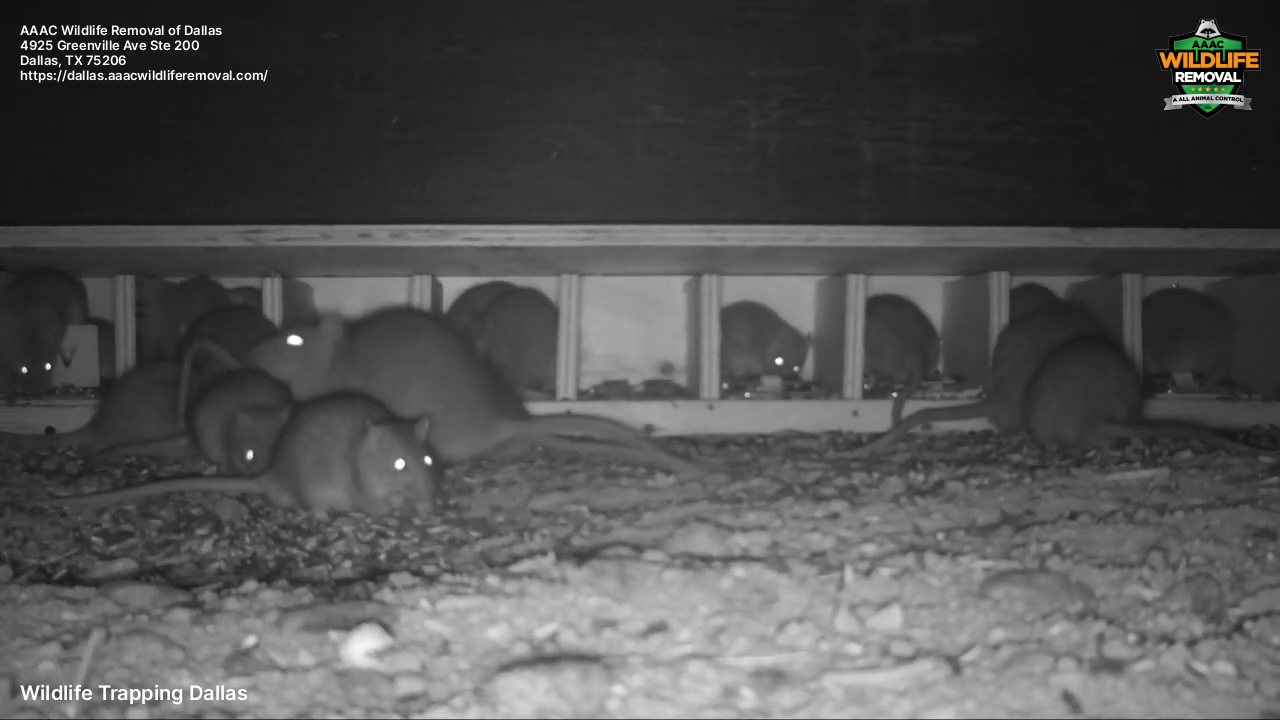
Historic sheds and outbuildings pose another challenge. You may not want to drill into old brick or fragile siding. In those cases, freestanding barriers set just off the wall, tied together into a continuous fence with a buried apron, can work. They take more space and require careful anchoring at corners, but they avoid altering the structure.
Snow load and plowing can shear low skirting if placed too close to a driveway. Leave a small reveal where snow is pushed, then turn the apron further outward in that section to protect the gap. On waterfront properties, consider corrosion. Galvanized mesh survives a long time inland, but salt environments justify stainless steel mesh in key areas, or at least a heavier galvanization and more frequent inspections.
A short checklist for getting started
- Identify the species with tracks, camera, and droppings, then confirm no dependent young are present before excluding. Map all openings, primary and secondary, around the entire perimeter, not just where you see digging. Choose materials rated for the job: galvanized hardware cloth, half-inch for skirts, quarter-inch for vents, and exterior-grade fasteners. Build structure before cosmetics: frame, attach mesh under tension with dense fasteners, then add lattice or trim. Install a one-way door only when the space is otherwise sealed, and remove it after confirming exit with at least two quiet nights.
When the job is done right
A properly excluded deck, shed, or outbuilding disappears from your worry list. Nights are quiet. Dogs nap in the sun rather than patrolling the stairs. The yard smells like grass and soil, not musk. You might still see a raccoon on the fence or a skunk at the far hedge, but they pass through rather than homesteading. That shift transforms how your property feels.
I have returned to projects years later to find mesh still tight, screws notched with a bit of surface rust but firm, and a strip of gravel neat against the skirt. The owners hardly think about wildlife anymore. That is the point. Wildlife belongs in the green edges and https://sites.google.com/view/aaacwildliferemovalofdallas/wildlife-removal-services-dallas treelines, not under your feet. By pairing clear-eyed inspection, species-wise timing, and carpenter-grade installation, wildlife exclusion becomes less about conflict and more about a clean boundary. If you need help, call a professional who treats it that way. If you do it yourself, treat the job like a structure, not a scarecrow. The animals will respect what you build, and your deck and shed will simply serve the purpose you built them for.